
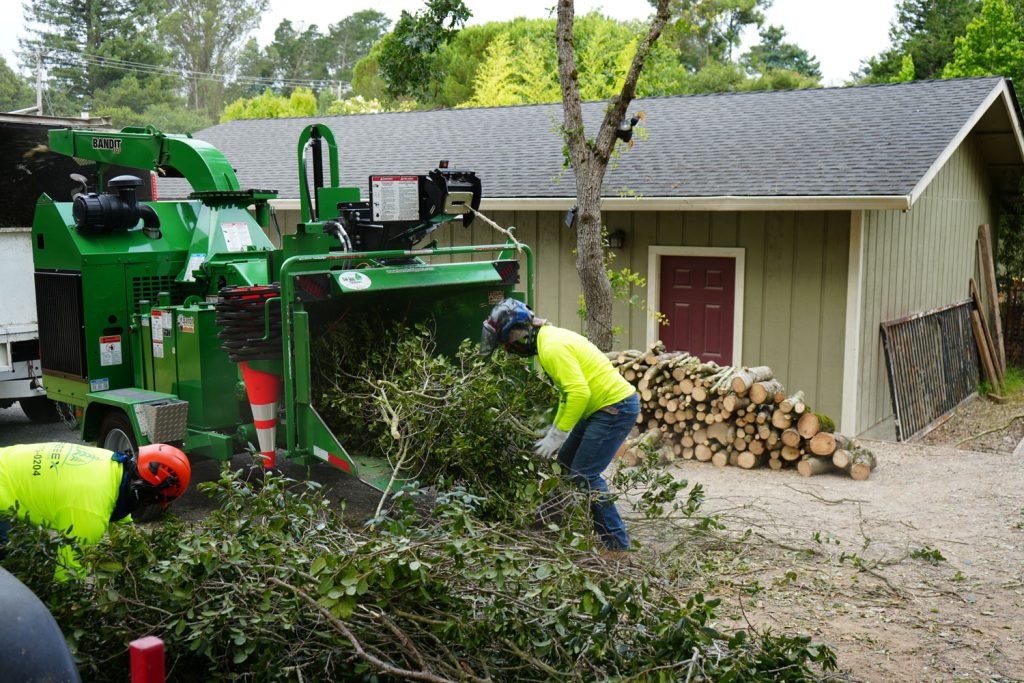
Winter storms in Santa Rosa create unpredictable tree emergencies. Heavy rain saturates soil, reducing root anchorage. Wind gusts exceeding 50 mph stress branches and entire trees. The combination produces conditions where healthy trees can fail suddenly, and compromised trees become immediate hazards.
When a tree falls on your home, blocks your driveway, brings down power lines, or threatens imminent collapse, you need professional response immediately. Understanding what constitutes a true emergency, what immediate actions to take, and how professional emergency tree service in Santa Rosa works helps you respond effectively when storms strike.
The decisions you make in the first minutes and hours after storm damage can affect your safety, your property, your insurance claim, and the final cost of resolution. This guide prepares you to handle tree emergencies safely and efficiently during Santa Rosa’s winter storm season.
What Constitutes a Tree Emergency
Not every fallen branch requires immediate professional response. Understanding the difference between urgent emergencies and situations that can wait until normal business hours helps you prioritize appropriately and manage costs effectively.
Immediate Emergency Situations
Trees or large branches on structures demand immediate attention. A tree resting on your roof, even if it hasn’t penetrated yet, creates ongoing damage as it shifts with wind. The weight compromises roof structure. Rain enters where branches pierce roofing materials. Waiting allows damage to worsen substantially.
Trees or branches contacting power lines represent extreme danger. Never approach trees touching electrical lines. Assume all downed lines are live and deadly. Contact your utility company immediately, then call professional tree removal services in Santa Rosa with proper equipment and training for work near electrical infrastructure.
Trees blocking critical access create emergencies when they prevent entry or exit from your property. If a fallen tree blocks your only driveway and you cannot safely leave your property, that requires urgent response.
Partially fallen trees hanging in other trees, structures, or their own canopy represent severe hazards. These “widow makers” are unpredictable and can fall completely without warning, making the area beneath them extremely dangerous.
Trees showing imminent failure during storms need immediate assessment. Visible cracking sounds, sudden leaning, or major trunk splits developing during storm events indicate catastrophic failure is imminent.
Situations That Can Wait Until Morning
Storm damage that doesn’t create immediate safety hazards or prevent critical access can typically wait for normal business hours. Branches down in the yard away from structures, though inconvenient, don’t require emergency response rates. Minor damage to fences or sheds where the tree isn’t actively causing additional damage can wait. Trees leaning but stable, without progressive movement or proximity to structures, can be assessed during business hours.
Understanding these distinctions helps you avoid unnecessary emergency service charges while ensuring truly dangerous situations receive immediate attention.
Immediate Safety Actions Before Help Arrives
Your actions in the minutes after discovering storm damage affect both safety and outcomes.
Establish Safety Perimeters
Keep all people and pets away from damaged trees. A tree that appears stable can shift suddenly. Establish a safety zone extending at least twice the tree’s height in all directions. If a tree has fallen on your home, evacuate the affected area immediately.
Never approach trees or branches touching power lines. Electricity can arc through the air and conduct through wet wood, soil, and standing water. Maintain at least 30 feet distance from any tree contacting power lines.
Protect Property and Document Damage
If safe to do so, take temporary protective measures to prevent additional damage. Place tarps inside to catch rain if trees have pierced roofs. Cover broken windows with plywood or plastic. Only take these actions if you can do so safely without approaching unstable trees.
Photograph all damage extensively before any cleanup. Document tree position, damage to structures, and surrounding conditions. This documentation supports insurance claims and helps professionals assess the situation.
Contact Services in Proper Order
Call 911 first if anyone is injured or structures have collapsed. Second, contact your utility company to report downed power lines. Third, contact your insurance company to report damage and ask about coverage for emergency response. Fourth, contact professional 24/7 tree service in Santa Rosa.
How Emergency Tree Service Works
Professional emergency tree services maintain on-call crews ready to respond outside normal business hours. TreeEx Tree Experts provides 24/7 emergency response throughout Santa Rosa and Sonoma County, including Fountaingrove, Rincon Valley, and surrounding areas.
Response times vary based on situation severity, weather conditions, crew availability, and location. Life safety situations receive priority over property damage situations. Multiple simultaneous emergencies during major storms may create response delays, but communication keeps you informed.
Emergency crews arriving on site first assess immediate hazards. They establish safety perimeters, verify utilities are safe, and determine the safest approach. Initial work focuses on hazard mitigation rather than complete cleanup. The priority is making your property safe and preventing additional damage.
This might mean removing a tree from your roof, cutting away branches touching power lines after utility clearance, or removing trees blocking critical access. Complete cleanup, stump removal, and site restoration typically occur during follow-up visits at standard rates.
Emergency response crews arrive with professional equipment including chainsaws, bucket trucks or cranes for accessing trees on structures safely, rigging equipment for controlling large sections, lighting for nighttime operations, and comprehensive safety gear.
Winter Storm Preparation to Prevent Emergencies
The best emergency response is preventing emergencies before storms arrive. Santa Rosa’s winter storm season runs roughly November through March, with peak activity December through February.
Schedule professional tree assessment in early fall, before storms begin. This allows time to address identified hazards at standard rates rather than emergency pricing. Assessment should identify dead or dying trees, large dead branches, structural problems, trees leaning toward structures, and weak branch attachments.
Proper tree trimming and pruning in Santa Rosa before storm season reduces wind resistance and removes hazardous deadwood. Crown thinning allows wind to pass through canopy rather than catching and stressing the entire tree. Deadwood removal eliminates branches most likely to fail during storms.
This maintenance work completed in September through November protects your property at standard service rates and scheduling convenience.
Insurance Considerations for Storm Damage
Most homeowners insurance policies cover tree removal when trees damage covered structures like your home, garage, or fences. Policies typically cover removal costs up to specified limits, often $500 to $1,500 per tree, with overall limits for all trees damaged in a single event.
Damage to structures from fallen trees is generally covered under dwelling coverage, subject to your deductible. However, insurance generally does not cover removing trees that fall without damaging structures. A tree that falls in your yard but doesn’t hit anything may not trigger coverage for removal costs.
Preventive removal of hazardous trees before they fall isn’t covered. Insurance addresses damage after it occurs, not preventive maintenance. Damage from lack of maintenance may be denied if an obviously hazardous tree causes damage.
Proper documentation supports successful claims. Photograph damage from multiple angles before cleanup. Document the tree’s condition if possible. Get written estimates from licensed tree services in Santa Rosa. Keep all receipts for emergency services and temporary repairs.
If you’re dealing with storm damage right now, call TreeEx Tree Experts at (707) 775-0204 for immediate emergency response. Our crews are available 24/7 to handle tree emergencies safely and efficiently throughout Santa Rosa and Sonoma County.
Working With Utility Companies
PG&E is responsible for clearing trees from power lines up to the connection point to your home. Trees on lines in the street or on poles fall under their jurisdiction. You’re responsible for trees that fall from your property onto lines, but only PG&E can safely remove trees actually touching energized lines.
Report downed power lines immediately by calling PG&E’s emergency number. PG&E will dispatch crews to assess and de-energize lines. This may take several hours during major storms. Professional tree services cannot begin work until utility crews secure the scene.
Once utility crews have secured power lines, tree services can remove trees safely. Emergency tree services experienced in working with utilities understand these protocols and manage coordination effectively.
Cost Considerations and Making Smart Decisions
Emergency tree service costs more than scheduled work for legitimate reasons. Emergency calls outside regular business hours include premium charges reflecting crew mobilization costs, equipment deployment, higher insurance rates for hazardous work, and overtime labor rates.
The premium applies to immediate emergency response. Follow-up work to complete cleanup typically occurs at standard rates during regular hours. Distinguish between what requires immediate emergency response versus what can wait until morning. This decision significantly impacts costs.
If safety allows, waiting until morning for tree removal that doesn’t threaten structures can save substantial money. However, delaying necessary emergency response when trees threaten structures or safety is false economy. Additional damage while you wait often exceeds emergency service premiums.
Why Choose TreeEx Tree Experts for Emergency Response
When storm damage strikes, you need response from a company with proper credentials, equipment, and experience to handle dangerous situations safely. TreeEx Tree Experts provides 24/7 emergency response throughout Santa Rosa and Sonoma County.
We’re fully licensed (California License #1115058) and comprehensively insured specifically for hazardous emergency tree work. Our crews have extensive experience with storm damage scenarios common to Wine Country. We understand local conditions in neighborhoods like Fountaingrove, West End, and Bennett Valley where properties face unique storm exposure.
We maintain professional equipment including cranes, bucket trucks, and specialized rigging systems needed for safe emergency tree removal near structures and power lines. We coordinate effectively with utility companies, insurance adjusters, and other stakeholders to ensure smooth emergency response.
For 24/7 emergency tree service in Santa Rosa, call TreeEx Tree Experts at (707) 775-0204. When storms damage trees on your property, we respond quickly with the expertise and equipment needed to make your property safe.
Frequently Asked Questions
How quickly can emergency tree services respond?
Response times depend on situation severity, weather conditions preventing safe work, crew availability during major storms, and property location. Life safety situations receive priority. During major storms affecting Santa Rosa broadly, multiple simultaneous emergencies may create delays. TreeEx maintains on-call crews specifically for emergency response and typically responds within hours for urgent situations. When you call, provide detailed information about hazards present so crews can prioritize appropriately.
Will my insurance cover emergency tree removal?
Most homeowners insurance covers tree removal when trees damage covered structures. Coverage typically includes removal costs up to specified limits and structural repairs subject to your deductible. Trees that fall without damaging structures usually aren’t covered for removal. Preventive removal before failure generally isn’t covered. Document all damage thoroughly and contact your insurance company promptly. Keep receipts for emergency services as these may be reimbursable expenses.
Can I remove a storm-damaged tree myself?
Storm-damaged trees are extremely dangerous. Fallen trees are often under tension, creating spring-loaded branches that release violently. Trees contacting structures may shift unpredictably. Trees near power lines present electrocution risk. Chainsaw work is inherently hazardous. Insurance may deny coverage for damage caused by unqualified individuals. Professional tree removal service is the safe choice. The cost is substantially less than medical bills, property damage, or liability exposure from accidents.
What happens if trees contact power lines?
Never approach trees touching power lines. Contact PG&E immediately to report the situation. They will dispatch crews to de-energize lines and secure the scene. Only after utility crews confirm lines are safe can tree services begin removal work. Professional emergency services coordinate with utility companies and follow proper safety protocols for working near electrical infrastructure. This process protects everyone involved and ensures legal compliance.
Call TreeEx Tree Experts at (707) 775-0204 for professional tree care from licensed, certified arborists who understand Santa Rosa’s unique tree care needs. Because your property deserves better than cheap. It deserves quality that lasts.